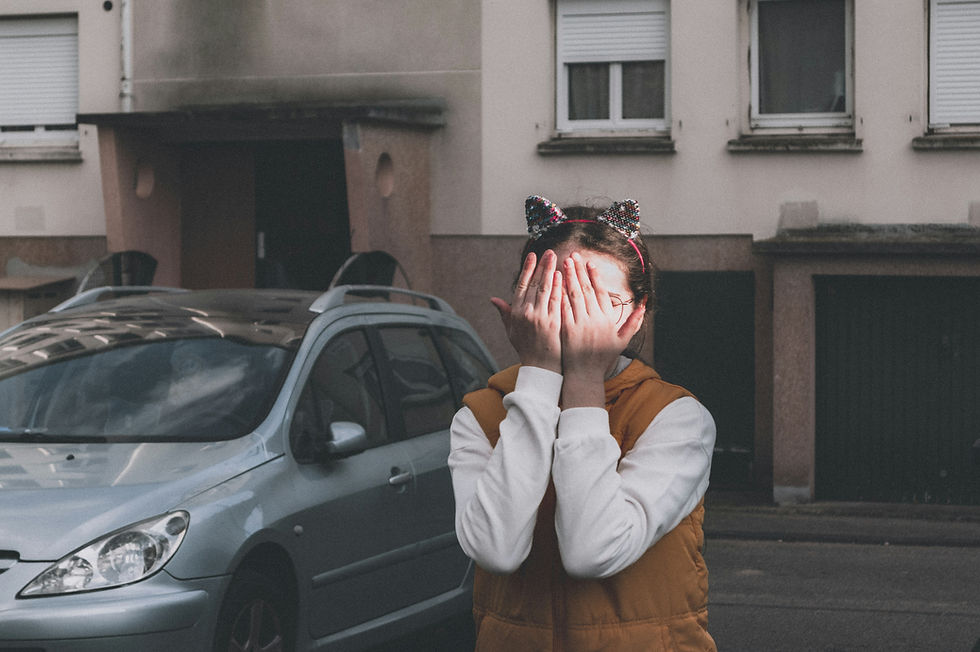
At school, girls usually get praised for being quiet, compliant, and attentive. Because of this, their subtle ADHD symptoms often get completely missed. Girls who struggle internally usually appear withdrawn or dreamy instead of disruptive, meaning their problems remain invisible.
Classroom Behaviour Expectations
Key reasons girls' ADHD is overlooked include:
Quiet inattentiveness
Being mistakenly seen as shy, uninterested, or daydreaming, leading to comments like "pay more attention" instead of receiving real support.
Difficulty following instructions
Teachers and parents often think the girl is lazy, careless, or unmotivated, deepening her feelings of failure and self blame.
Forgetfulness and disorganisation
Frequently losing homework, forgetting appointments, or having messy desks, unfairly dismissed as irresponsibility or lack of care.
Research by Kathleen Nadeau in Understanding Girls with ADHD clearly demonstrates that teachers rarely notice quiet, distracted girls. This lack of recognition often means delayed diagnosis and continued frustration.
Masking: Girls Hidden Coping Strategies
Many of the women who come to us describe spending years masking their struggles, carefully hiding their difficulties beneath a calm, capable exterior. Masking is emotionally exhausting and often leads to anxiety, chronic overwhelm, and internalised feelings of shame and inadequacy.
Common masking behaviours include:
Overworking to appear organised
Staying up late repeatedly checking assignments, secretly drowning in stress while seeming perfectly capable.
Copying friends to blend in socially
Frequently mimicking peer behaviour to hide confusion, reinforcing feelings of isolation.
Developing perfectionism
Becoming overly anxious about small mistakes, driven by fear of criticism and rejection.
Internalising emotional distress
Holding emotions inside, making it harder to cope with stress, anxiety, depression, and burnout.
Author Terry Matlen, in The Queen of Distraction, emphasises that masking increases emotional exhaustion, significantly heightening risks detailed in our article What Does Untreated ADHD Look Like in Women?

Teacher Bias and Misunderstanding
Many teachers unintentionally overlook girls with ADHD because their idea of ADHD comes from stereotypes of hyperactive boys. Historically, ADHD diagnostic criteria were developed primarily from studies focused on males, causing confusion between terms like ADD and ADHD. For clarity on this, our article ADHD vs ADD: What’s the Difference? explains the distinction thoroughly.
Until the late 1990s, about 81 percent of ADHD research participants were male, reinforcing persistent misconceptions about ADHD symptoms, especially the inattentive signs commonly seen in women.
Teacher biases contributing to missed ADHD in girls include:
Mistaking quiet inattentiveness
For laziness or lack of effort, causing girls to believe the problem lies within them personally.
Assuming quiet compliance is normal
Failing to recognise the girl’s internal distress and struggle.
Lack of training
On female specific ADHD symptoms, causing many subtle but significant signs to go unnoticed.
Sari Solden and Michelle Frank, authors of A Radical Guide for Women with ADHD, note that biased feedback such as "just try harder" reinforces girls’ deep sense of inadequacy and self doubt.
Long term Consequences of Missed ADHD in Girls
If ADHD remains undetected, girls carry heavy emotional burdens affecting their wellbeing, relationships, and careers into adulthood:
Career Struggles
On going problems with organisation, procrastination, and maintaining focus can cause job dissatisfaction, stagnation, and ongoing feelings of professional frustration.
Relationship Conflicts
Misunderstood behaviours create emotional distance or strain relationships. Nearly 60 percent of non ADHD men leave female partners with ADHD, highlighting deep emotional and relationship consequences.
Mental Health Issues
Chronic anxiety, depression, and stress often lead to misdiagnoses and ineffective treatment, causing deeper emotional distress.
Reduced Self-esteem
Repeatedly internalising negative feedback creates lasting feelings of shame, inadequacy, and hopelessness.
Alarmingly, women with ADHD face a 5 times higher risk of intimate partner violence compared to women without ADHD. Untreated ADHD can also shorten women’s life expectancy by 7 to 9 years due to chronic emotional stress.
Early Intervention: Practical Steps You Can Take as a Woman with ADHD
Early recognition and supportive intervention provide relief, clarity, and validation, significantly reducing these long term impacts. Practical steps you can take include:
Professional Assessment
Seek comprehensive, gender informed ADHD assessments in Brisbane from specialists who understand how ADHD shows up differently in girls, relieving years of confusion, frustration, and self blame.
Educational Awareness
Share accurate, reliable resources with teachers, carers, and family members. Better understanding prevents further emotional harm and confusion.
Supportive Classroom and Home Strategies
Use visual schedules, clear routines, detailed instructions, and organisational tools. This helps girls manage daily responsibilities more effectively, greatly reducing stress and overwhelm.
Emotional Validation and Open Dialogue
Create safe spaces for open conversations about feelings of inadequacy, overwhelm, and isolation. Being heard significantly reduces anxiety, shame, and emotional distress.
Therapeutic and Coaching Support
Early therapy, such as Cognitive Behavioural Therapy, ADHD coaching, or specific ADHD treatment and management options, significantly improves emotional control, organisation, confidence, and coping skills.
Research shows that women who receive accurate ADHD diagnoses experience emotional relief, reduced reliance on antidepressants, and significant improvements in daily functioning and emotional stability.

Compassionate Support is Here for You
If these struggles resonate deeply with you, please know that compassionate support is available. ADHD in girls and women is real, significant, and manageable once properly identified.
At Nurtured Thoughts Psychology, our assessment psychologist Heather has a special interest in female ADHD assessments and tailored support. Our experienced psychologists offer validation, empathy, and practical guidance, specifically designed for the emotional needs of girls and women with ADHD.
You do not need to carry these feelings of overwhelm, inadequacy, and shame alone. Early recognition and supportive intervention can transform your emotional wellbeing and empower you to thrive academically, emotionally, and professionally.
Take the empowering first step today. Reach out to book your comprehensive, gender informed ADHD assessment and begin your journey toward understanding, validation, and emotional clarity.
For more comprehensive resources, visit our detailed guide:
ADHD in Women: Signs, Risks and Help
Recent Posts
Why ADHD Is Missed in Girls?
Women often hide their ADHD by overcompensating — leading to burnout, anxiety, and self-doubt.
Read More →

What Does Untreated ADHD Look Like in Women?
Explore how outdated diagnostic models overlook girls with ADHD and why it matters today.
Read More →

Emotional Regulation Challenges in Women with ADHD
Explore how outdated diagnostic models overlook girls with ADHD and why it matters today.
Read More →
